Session 1 · Master in Design · Universidad Nacional de Colombia · 2026
From HCI Waves
to the Era of AI
A journey between academia and industry
Dr. Jaime Rivera
PhD in Design · IIT Institute of Design · jaimeriveraphd.com
→ Use keyboard arrows to navigate
Block 1 · The Researcher
Originally
from Colombia...
Industrial Designer · Universidad de los Andes
Bogotá · 2008
Master of Design · IIT Institute of Design
Chicago · 2013
Senior UX Researcher · Industry
Harman International / Samsung (2017–2018) · IXIS Digital (2023–2024)
PhD in Design · IIT Institute of Design
Chicago · 2023 · "Research Through Provocation"
RECOGNITION
🏆 Fast Company World Changing Ideas 2020
🏆 Core77 Design Awards Winner 2015
🏆 Lápiz de Acero 2009 · Concept Design Winner
🏆 IDEA Bronze Medal 2008
📄 20+ academic publications
🎓 Beca Colciencias-Laspau
Clients: Harman International (Samsung), Gap Inc., Chicago City Hall, University of Chicago Medicine, Lennox, Rheem
1919
The story of a school
Where does the
Institute of Design come from?
To understand the school where I did my PhD, we need to travel to 1919 — to Weimar, Germany. The Bauhaus, founded by Walter Gropius: the school that united art, design, and technology. Perhaps the most influential educational institution in design of the 20th century.
1933
The story of a school
The Nazis close the Bauhaus
In 1933, the Nazi regime forces the definitive closure. Its professors scatter. But what looks like an ending is a beginning — the Bauhaus diaspora transforms design education.
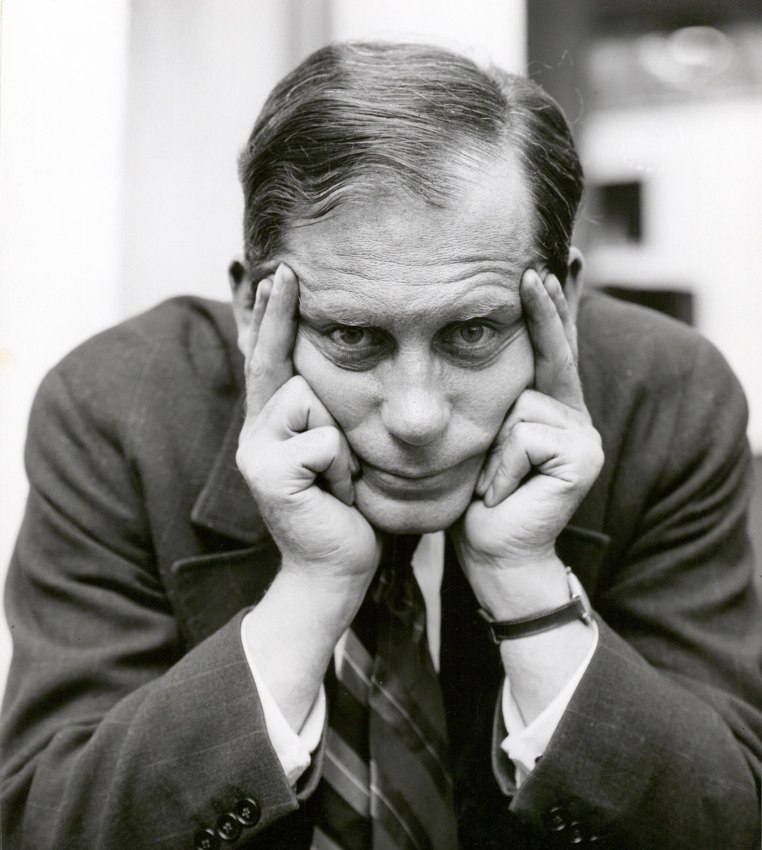
Walter Gropius
Bauhaus Founder → Harvard
Chair of Architecture, Graduate School of Design (1938–1952)
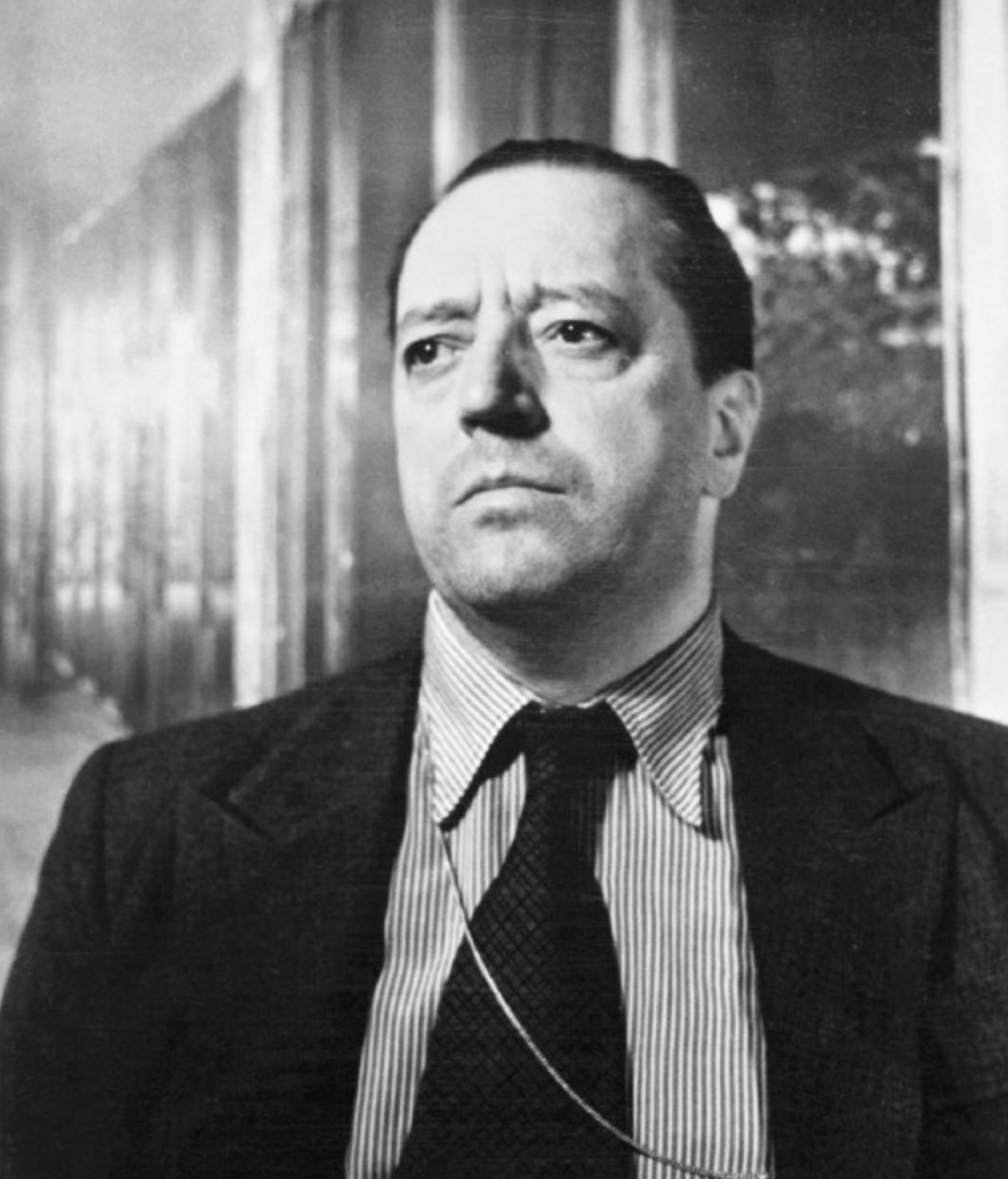
Mies van der Rohe
Last director of the Bauhaus → IIT Chicago (1938)
Dean of the Architecture school. Designed the campus and his masterpiece, S.R. Crown Hall.
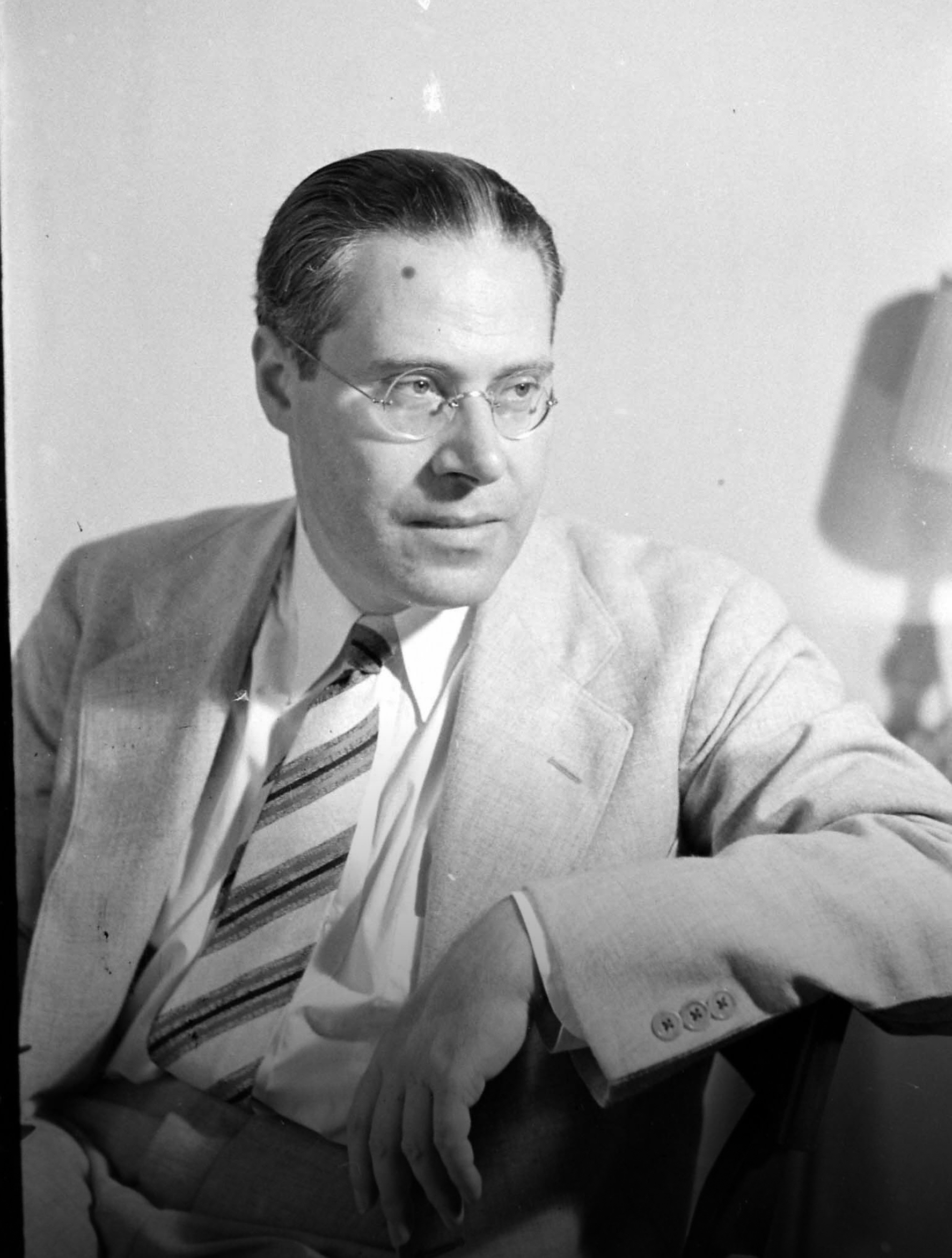
László Moholy-Nagy
Bauhaus Professor → Chicago
Founds the "New Bauhaus" (1937) → School of Design (1939) → Institute of Design (1944) → joins IIT (1949).
The "Chicago Dialectic": Mies and Moholy-Nagy — both Bauhaus figures, both in Chicago — represented opposing visions. Mies: rigid structure, minimalism, "less is more." Moholy-Nagy: experimentation, art + technology, social vision. Mutual respect, deep philosophical differences. This creative tension defined the DNA of the Institute of Design.
The story of a school
Architecture upstairs,
Design downstairs
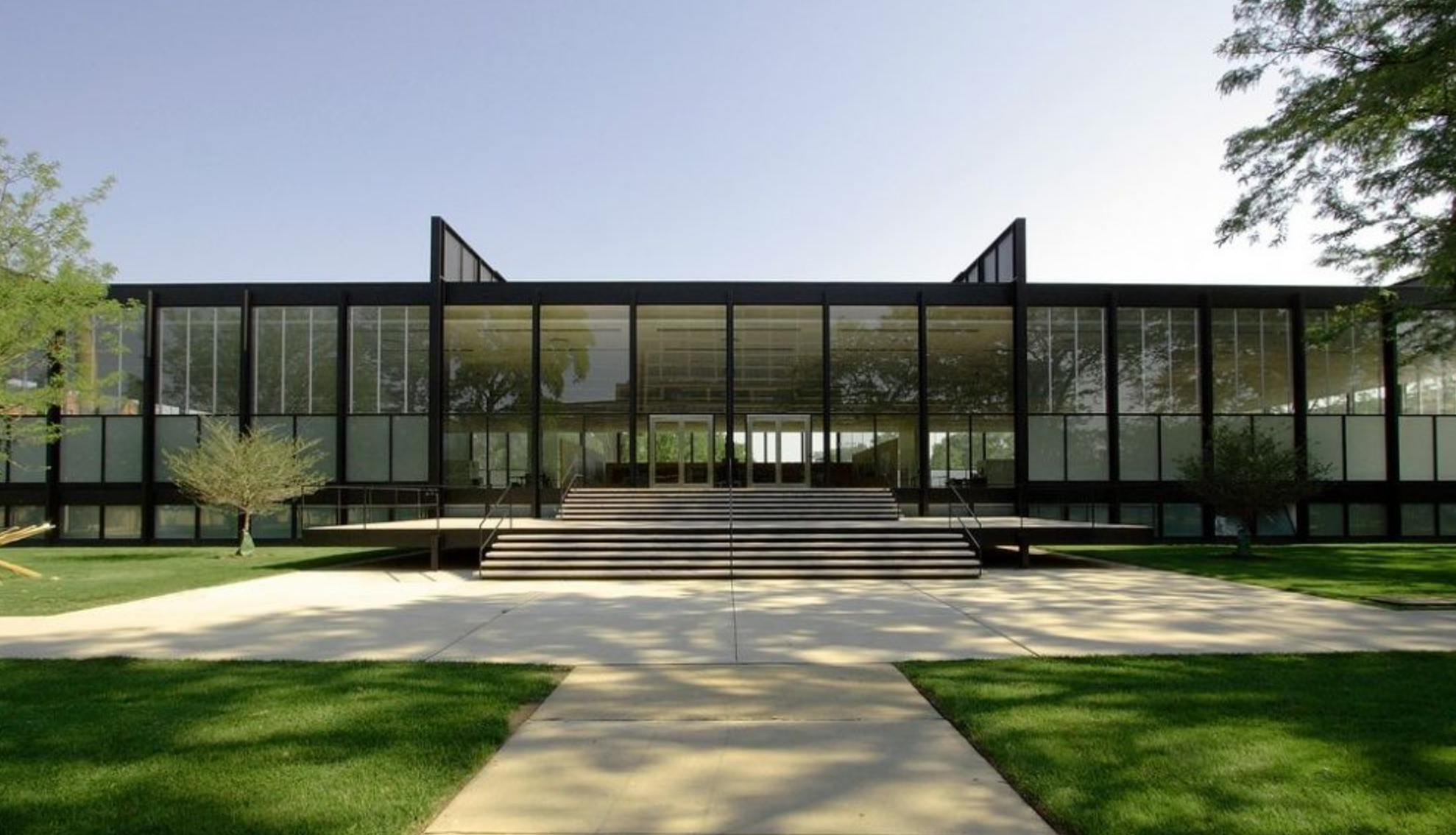
S.R. Crown Hall (1956) — Mies van der Rohe's masterpiece. Chicago architectural landmark. Upstairs, the Architecture school. In the basement... the Institute of Design.
"By being stuck in the basement of S.R. Crown Hall, Jay constantly felt like they were second-class citizens to architecture."
— Larry Keeley, sobre Jay Doblin en los años 60s
Letters exist documenting the discussions and rivalries between Mies (Architecture) and László (Design). The "little sibling" of a more traditional discipline.
1987
School visionaries
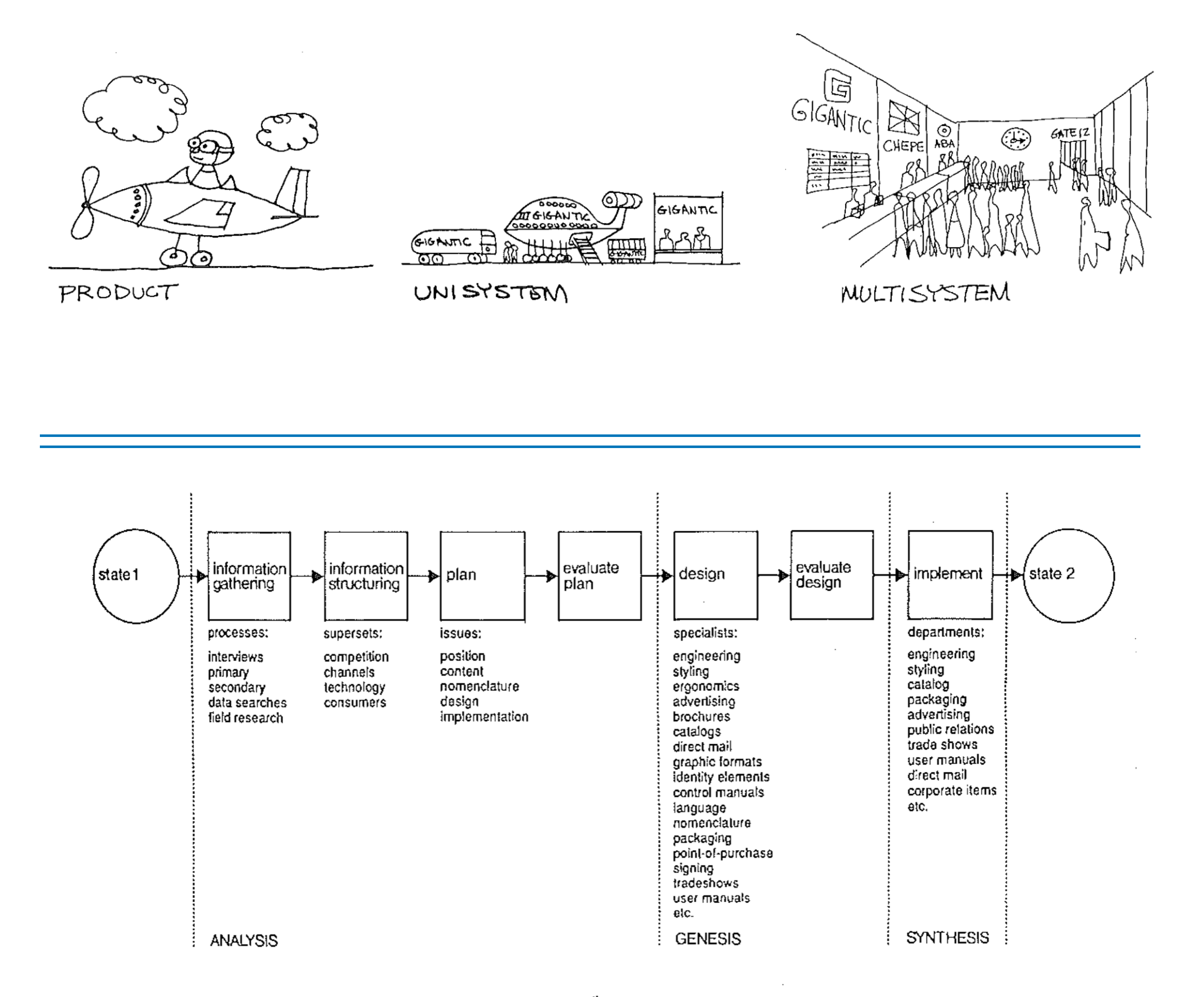
Jay Doblin:
Systems Thinking
before it had a name
Director of the Institute of Design (1955–1969). In 1987, two years before his death, he wrote a prophetic essay:
"Other fields have grown up and surely design will too. We will experience a time when designers forego their adolescent reliance on purely intuitive practices."
— Jay Doblin, "A Short, Grandiose Theory of Design" (1987)
Also: "Innovation: A Cook Book Approach" (1978). Doblin insisted that design needed rigor, repeatability, and transfer — not just individual genius.
REFERENCE
Doblin, J. (1987). "A Short, Grandiose Theory of Design." STA Design Journal. · Doblin, J. (1978). "Innovation: A Cook Book Approach." Doblin Group.
2005
School visionaries
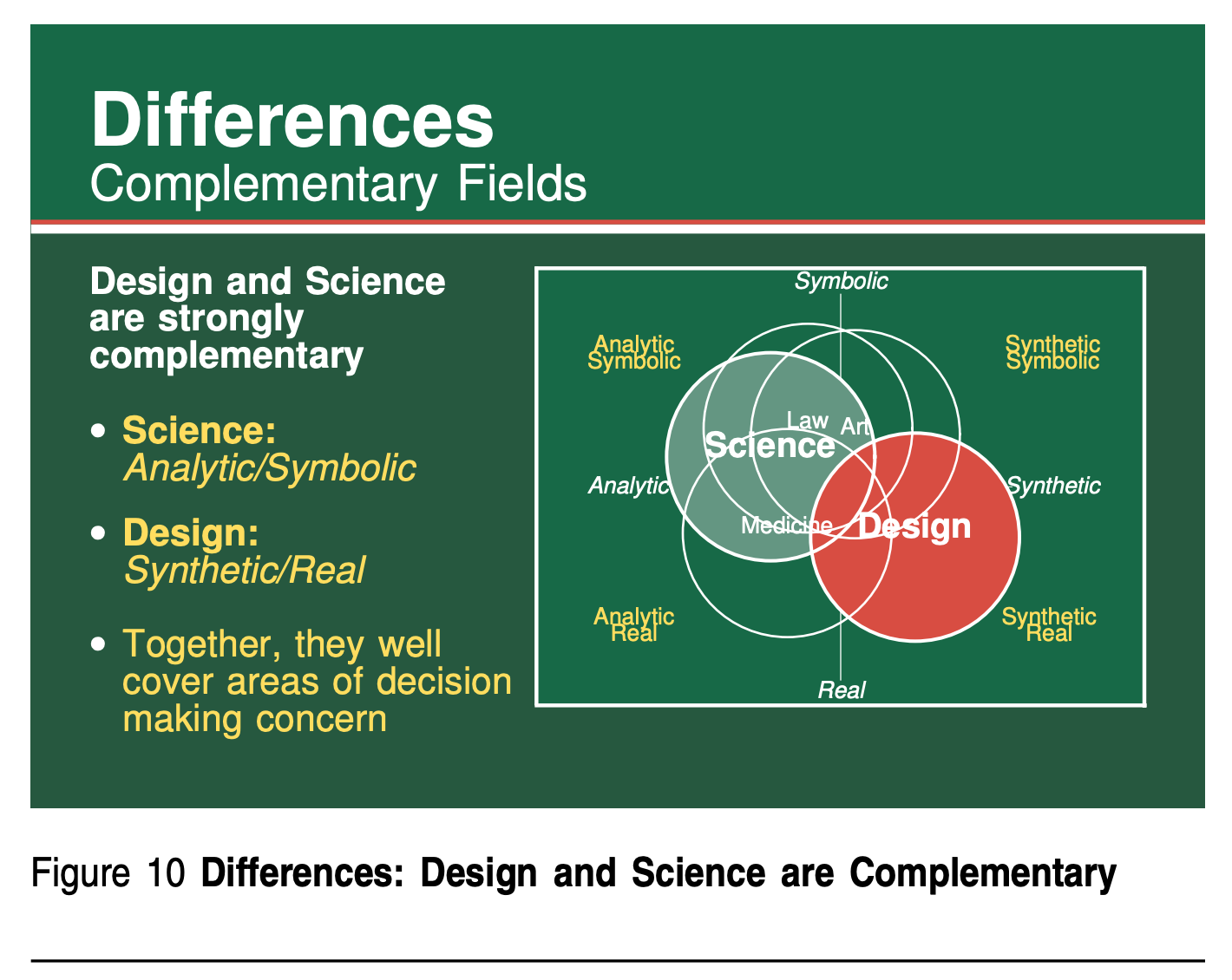
Charles Owen:
Creative Domains
and the founding of the PhD
Distinguished Professor Emeritus. Founded the PhD in Design program — the first in the United States. His creative domains map distinguishes between analytical/synthetic and symbolic/real.
"Design is not art. It also is not engineering, and it is not science. It is time to recognize this and distinguish the differences. Design is not separative, it is integrative."
— Charles Owen, "Design Education and Research for the 21st Century" (1988)
REFERENCE
Owen, C. (2005). "Design Thinking: What It Is. Why It Is Different." Gwangju Design Biennale. · Owen, C. (1998). "Design Research: Building the Knowledge Base." Design Studies, 19(1).
The transformation
From the basement to the crown jewel
The Ed Kaplan Family Institute (2018) — the first new academic building at IIT in over 40 years. And it's for Design.
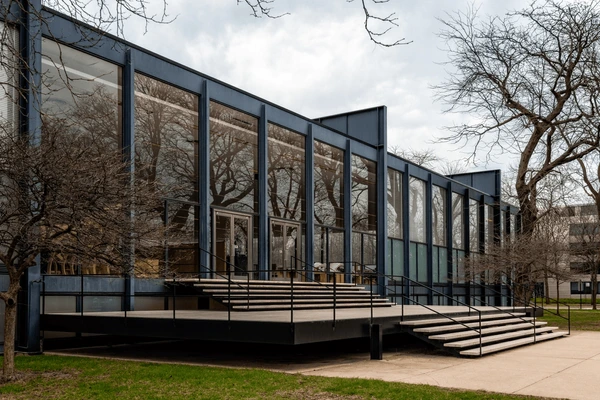
S.R. Crown Hall · 1956 · Design in the basement
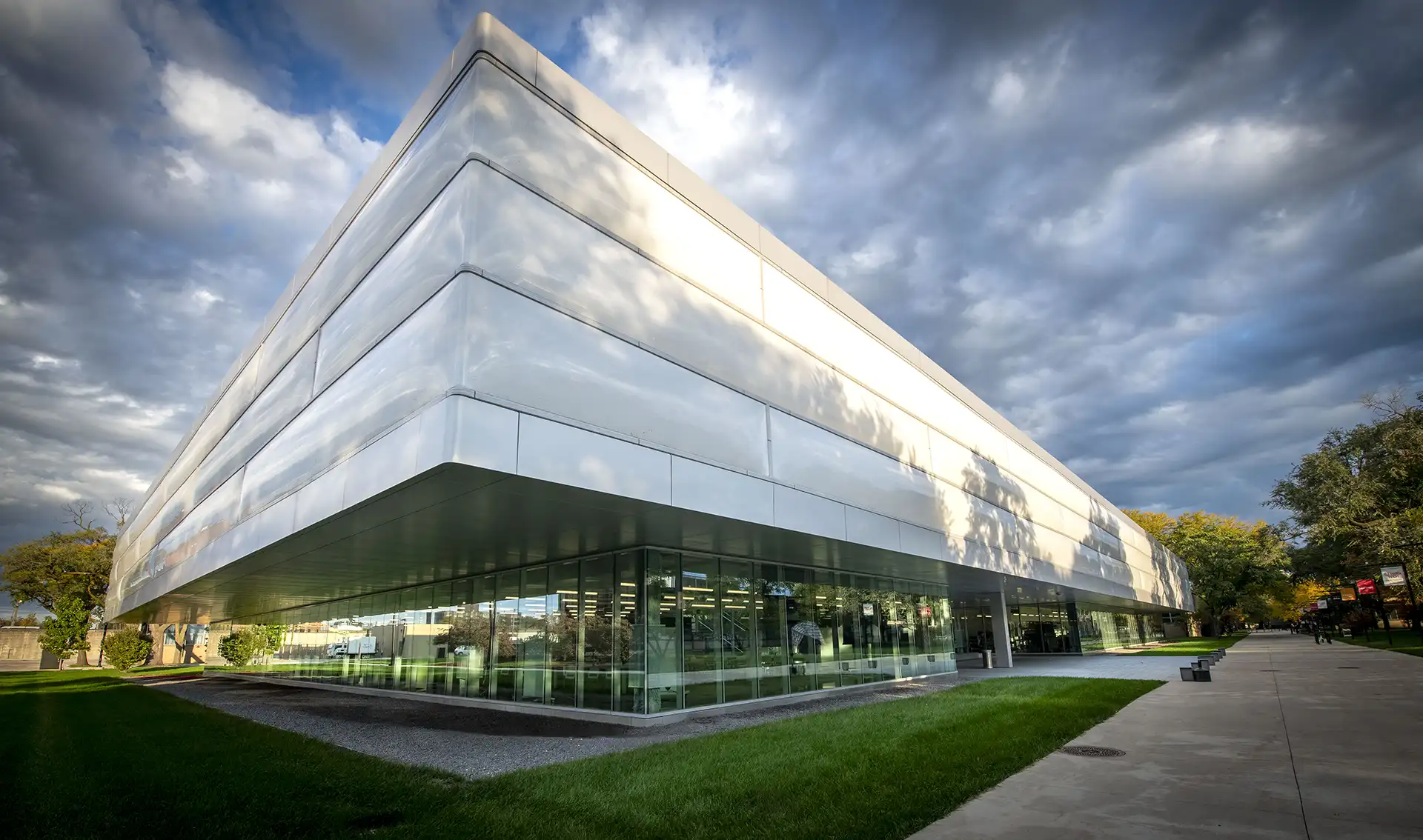
Ed Kaplan Institute · 2018 · The new home of ID
From being architecture's "little sibling" to having the only new building on campus. The discipline that grew.
The arc of design in the world
"Design used to be big.
Then it got small.
It's beginning to
think big again."
— Tim Brown, CEO de IDEO · TED Talk "Designers — Think Big!", 2009
Brown shows that design used to think big — Isambard Brunel designed complete integrated transportation systems. But it shrank until it became "a priesthood of folks in black turtlenecks and designer glasses working on small things."
His call: design is thinking big again — but now centered on people, not objects.
THE SAME STORY WE JUST LIVED
● Started big — Bauhaus, integrative vision
● Got small — the basement, "the priesthood"
● Grew again — Doblin (systems), Owen (PhD), Kaplan building
📺 ted.com/talks/tim_brown_designers_think_big
...But be careful
"In reality, design
is not that important."
— John Maeda, Fast Company / Design in Tech Report, 2019
Maeda had been one of the biggest promoters of "design-led." But after years in the tech industry, he changed his position: "I was pushing for it. Years later now, I realize that advocacy was really important, but in reality, design is not that important."
His prescription: design should be like a supporting actor — not the lead. The best Supporting Actors win Oscars: Regina King, Heath Ledger, Cate Blanchett... all indispensable, none needed to be the lead.
"Closing Advice: Earning Best Supporting Actor/Actress is the goal."
THE COMPLETE ARC
● Design started big (Bauhaus, Brunel)
● Got small (basement, "the priesthood")
● Grew again (systems, PhD, own building)
● But not as important as we think (Maeda)
● And with AI? (what we'll see next)
His analogy: a "design-led" team makes as little sense as a "goalie-led" soccer team.
Selected projects · jaimeriveraphd.com
Applied research in industry and academia
HARMAN INTERNATIONAL (SAMSUNG)
UMA · Autonomous Car 2030
Exploratory research on the autonomous vehicle for 2030. Passenger experience design, use scenarios, and provocative prototypes for long-term behavior.
View case study →
HARMAN INTERNATIONAL (SAMSUNG) · RHEEM
EcoNet · Smart Home IoT
EcoNet system redesign for Rheem: app and HMI interfaces for smart, integrated hot water and AC management. User research, hypothesis testing, feature generation, data visualization, and information architecture.
View case study →
IIT INSTITUTE OF DESIGN · DOCTORAL DISSERTATION
Research Through Provocation
6 case studies, 5 industrias, 10 heurísticas de provotyping. 20+ academic publications, CHI'13, Persuasive Technology, Design & Emotion, The Design Journal.
View case study →
Full portfolio: jaimeriveraphd.com
Block 2 · HCI Waves as an analytical instrument
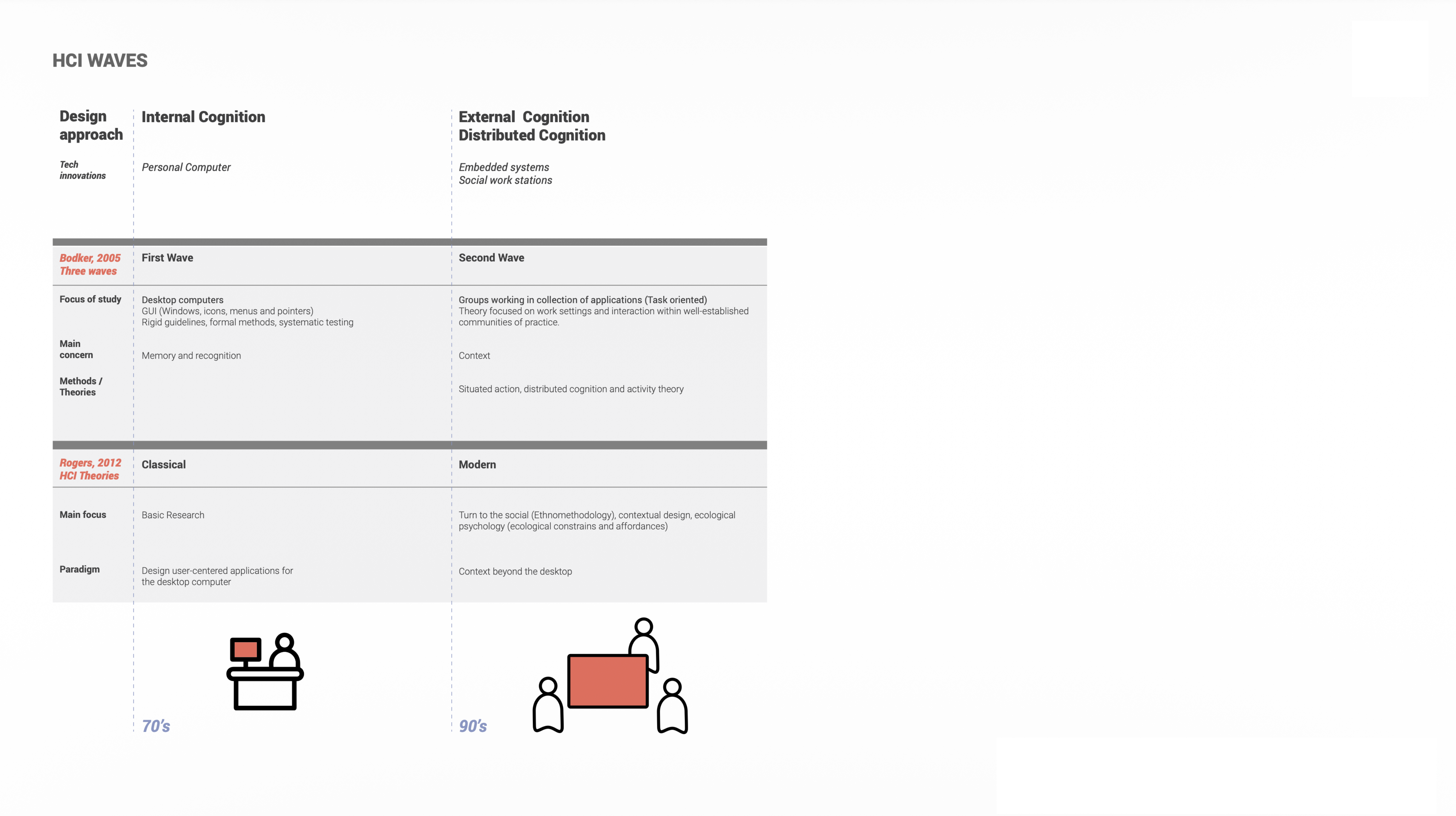
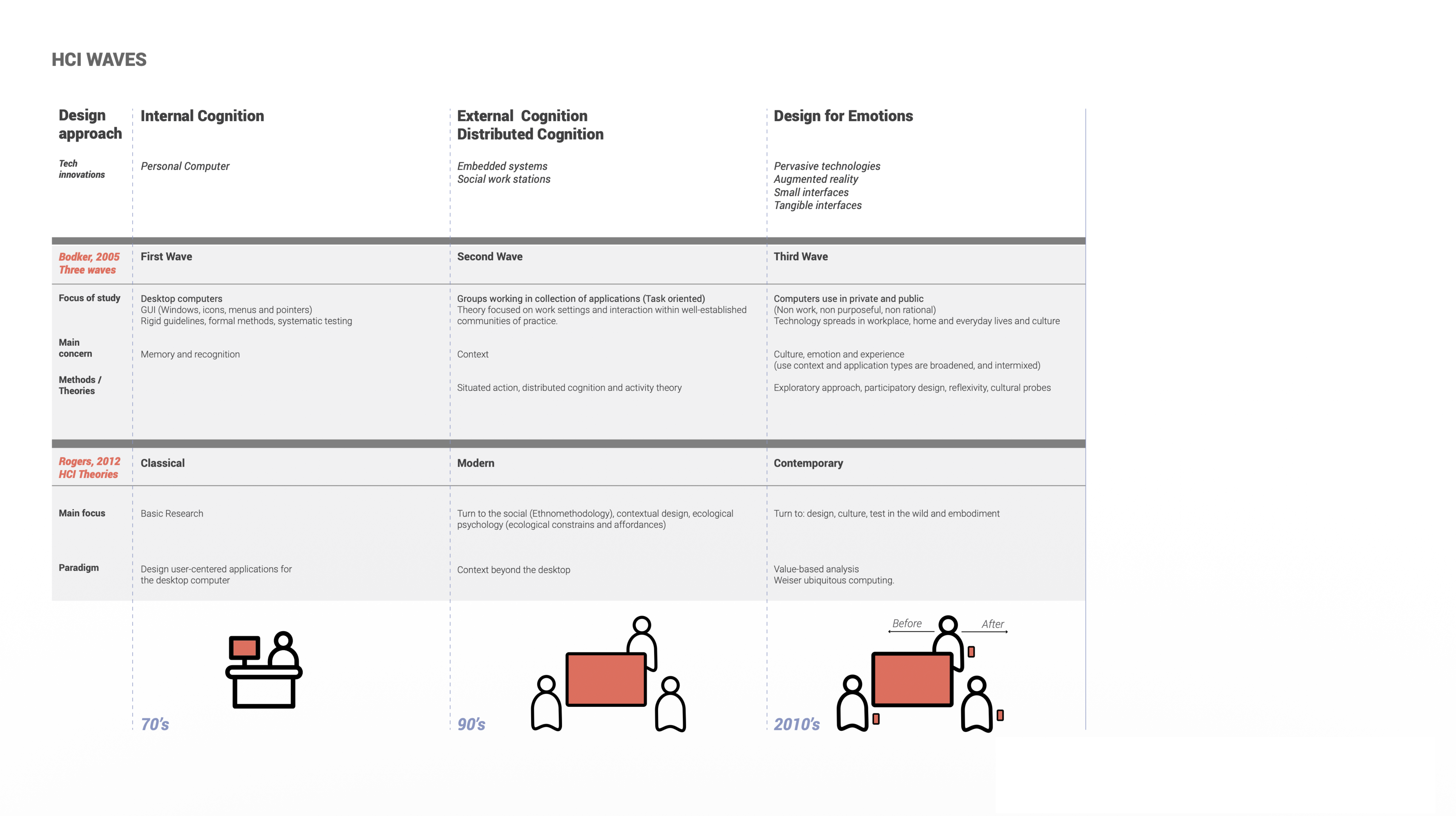
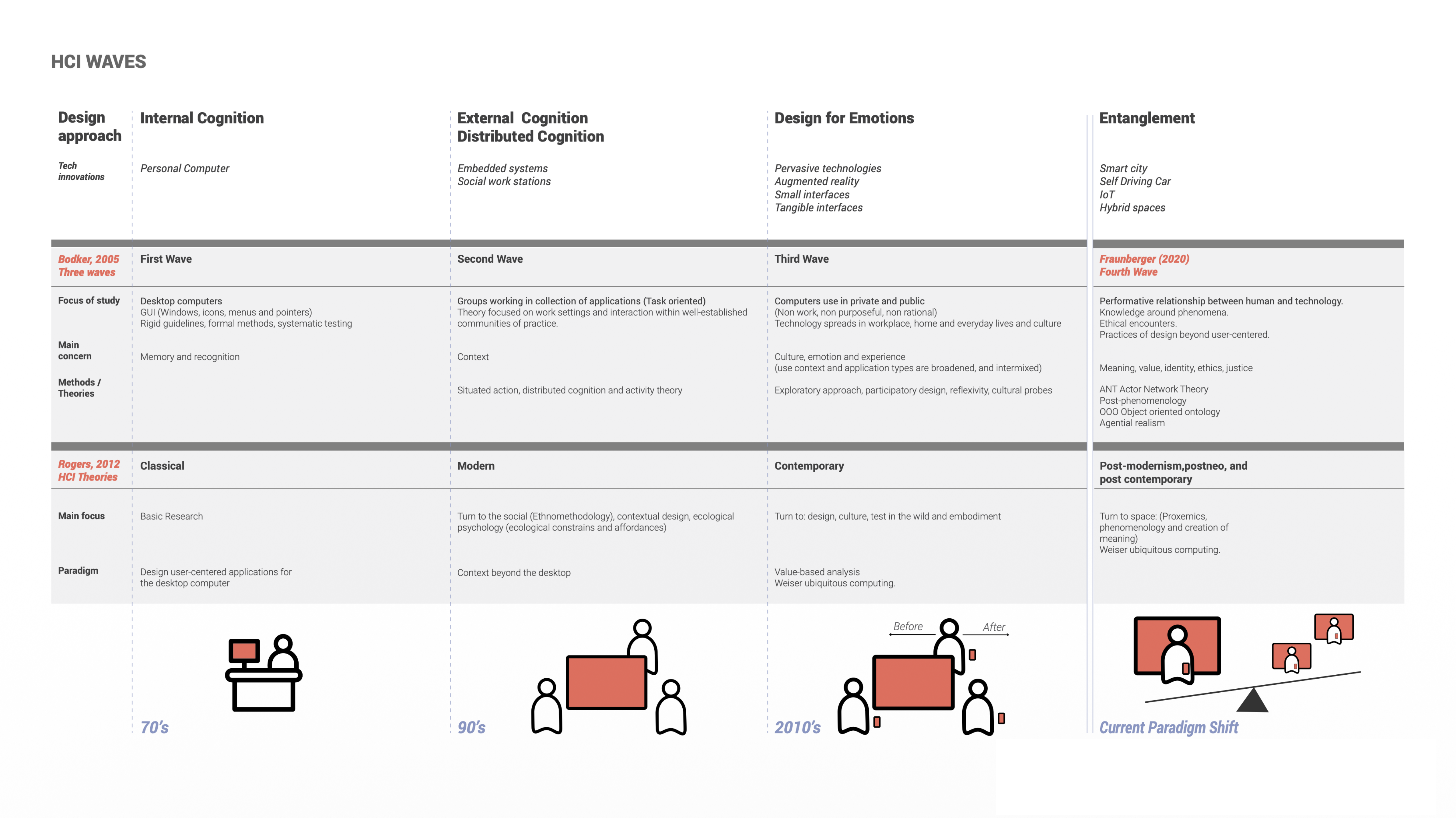
The Waves of HCI
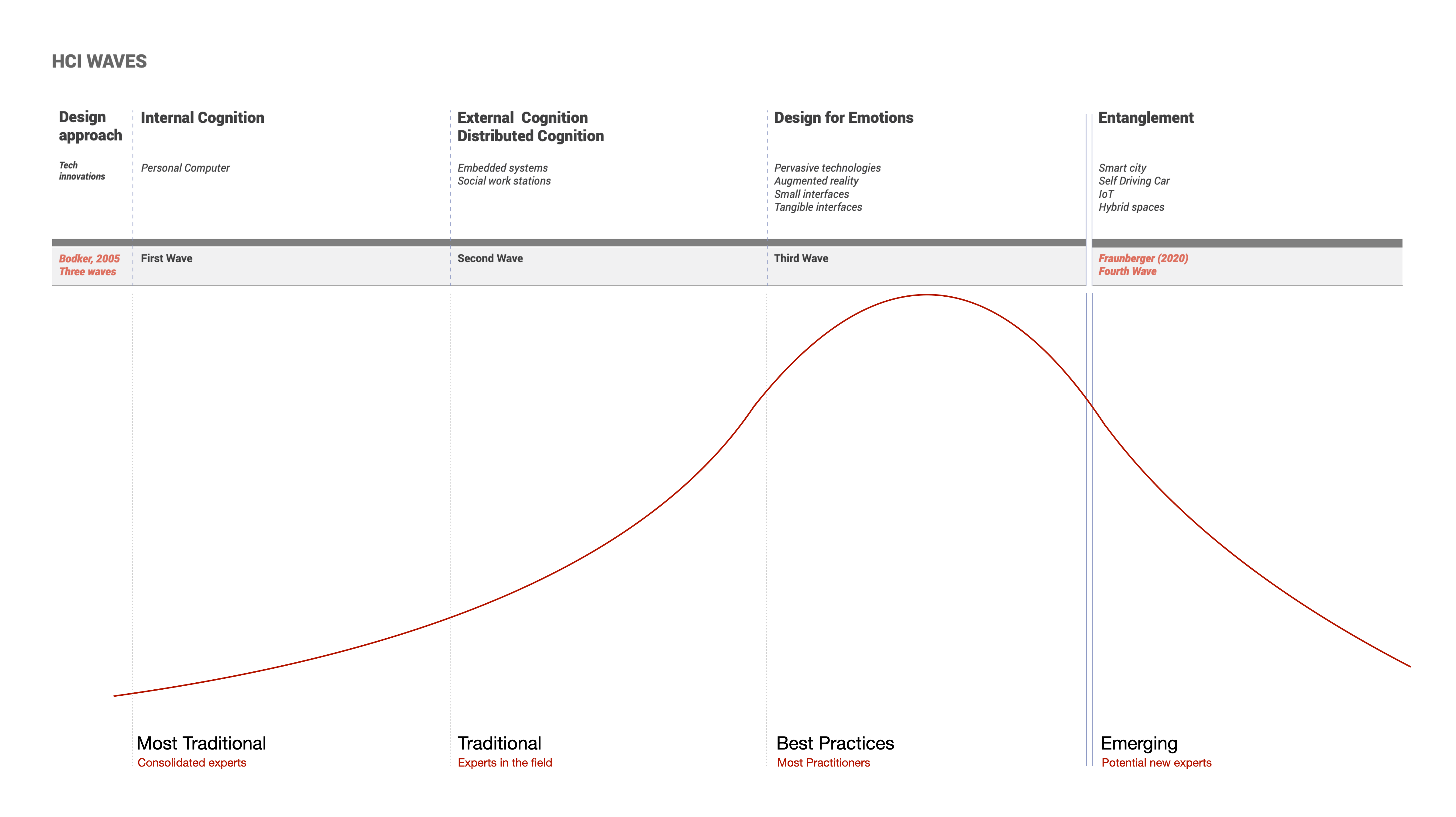
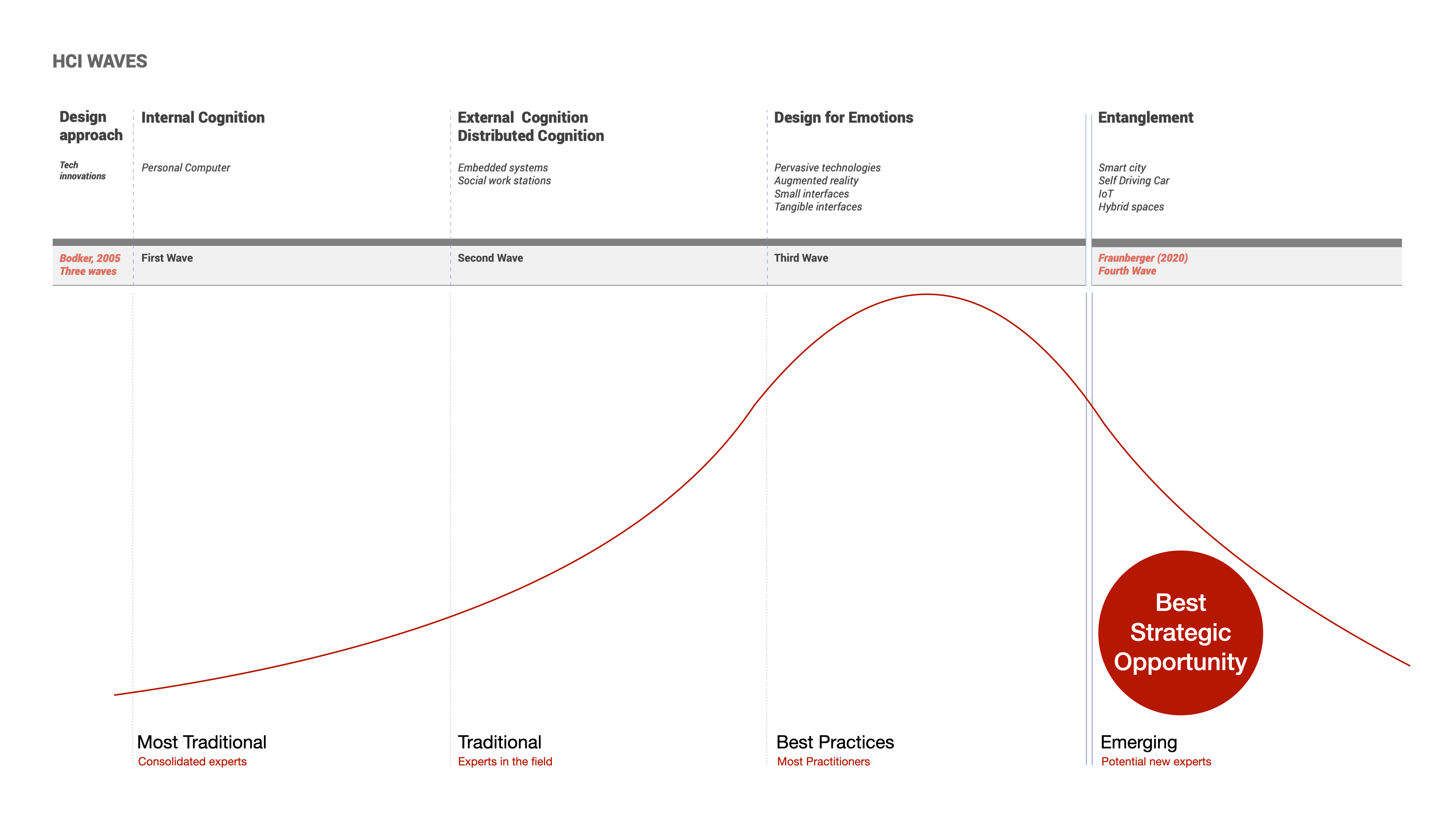
Four successive paradigms that organize the history of human-computer interaction. Each wave redefines what we study, how we study it, and what technologies make it possible.
Bødker (2006, 2016) · Rogers (2012) · Fraunberger (2020)
This is the example of the Era Analysis method that you will apply to your own field in the activity.
AI in the design role
What new designer
is AI co-constructing?
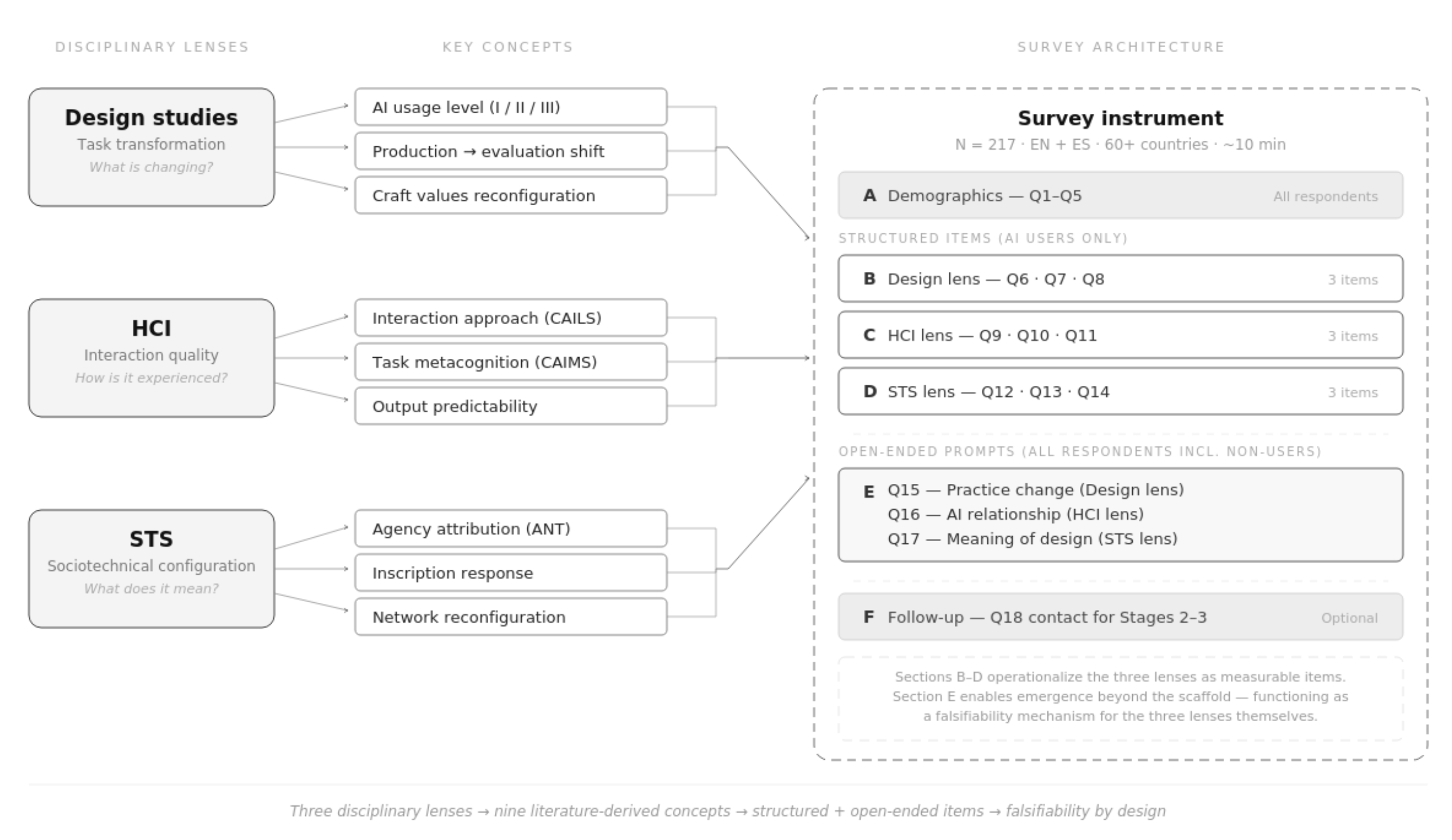
Bilingual empirical study. Three lenses: Design Studies × HCI × STS.
Finding 1
From production to evaluation
As designers use more AI, their role shifts from creating to curating, evaluating, and directing.
53%
of Level III report significant shift toward evaluation
32%
of Level I — barely perceive the shift
2.89→3.70
Metacognition rises linearly with tool diversity
Finding 3 · The finding that concerns you
El "Colombian Mismatch"
Spanish-speaking designers use AI as much or more than English speakers, but their linguistic frameworks for describing the relationship are fundamentally different.
HERRAMIENTA_CONTROL
Emerges exclusively in Spanish (73% of ES respondents). Instrumental, transactional relationship.
PARTNER / COLLABORATOR
2× more frequent in English (41% EN vs. 19% ES). Thinking partner framing.
EDUCACION_FORMACION
Spanish only (21 mentions). Educational crisis: curricular disruption before professional consolidation.
INCERTIDUMBRE_FUTURO
Spanish only (12 mentions). Existential uncertainty absent from the English corpus.
Finding 4
Los "Sophisticated Instrumentalists"
The dominant emergent profile at the convergence of three theoretical lenses: Level III + high metacognition + Tool/Assistant framing.
They're not naive — they're strategic.
They use AI intensively but maintain instrumental control frameworks.
The open question:
Is this sophisticated instrumentalism a stable position... or a transitional stage?
n=36
The largest group in the study
Finding 5
Language doesn't just translate —
it constructs different professional realities
SPANISH ONLY · 4 CODES
ESENCIA_PERMANECE
INCERTIDUMBRE_FUTURO
TRANSACCIONAL_INSTRUMENTAL
EDUCACION_FORMACION
ENGLISH ONLY · 4 CODES
PRODUCTION_TO_EVALUATION
METACOGNITION_SHIFT
NETWORK_RESTRUCTURING
CREATIVE_EVOLUTION
References and resources
For further reading
PAPERS · DIRECT DOWNLOAD (PDF)
PRESENTATIONS AND VIDEOS
INSTITUTE OF DESIGN HISTORY + HCI WAVES
Bødker, S. (2006). "When second wave HCI meets third wave challenges." NordiCHI.
↗ pure.au.dk · PDF ·
ACM DL
Bødker, S. (2015). "Third-Wave HCI, 10 years later—participation and sharing."
Interactions.
↗ dl.acm.org
Jay Doblin — History in 3 parts (Google Arts & Culture)
↗ Part I ·
Part II ·
Part III
Activity · 60 min individual + 30 min presentations
Era Analysis
Build the eras of your research field
Paso 1 ·10 min · Define your territory
Paso 2 ·20 min · Build your field's eras
Paso 3 ·15 min · Locate your research
Paso 4 ·10 min · Project into the future
Paso 5 · 5 min · Synthesis for 3-min presentation
Open the interactive template in your browser → click "🎤 Transform to Presentation" when done
← Back to jaimeriveraphd.com